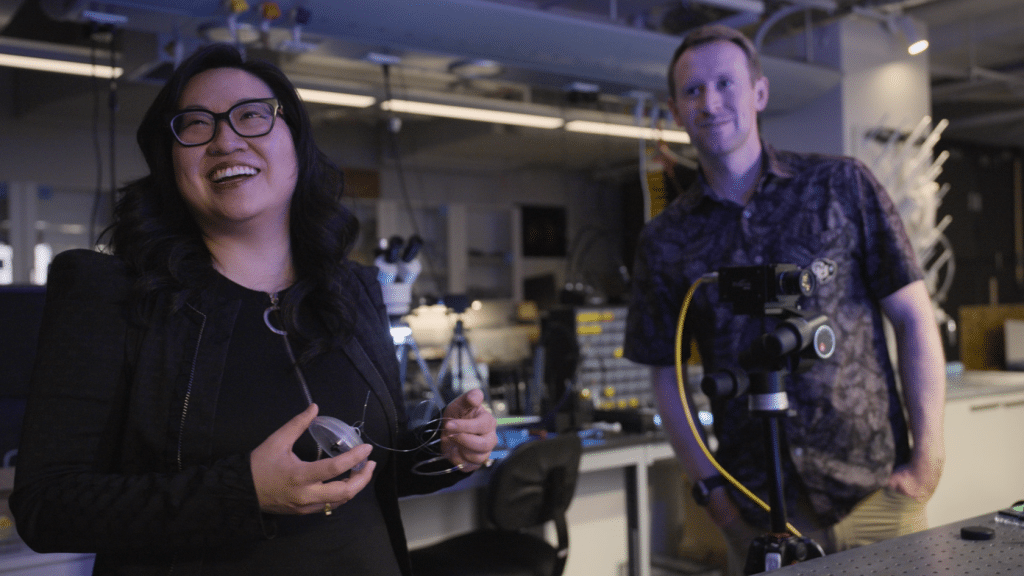
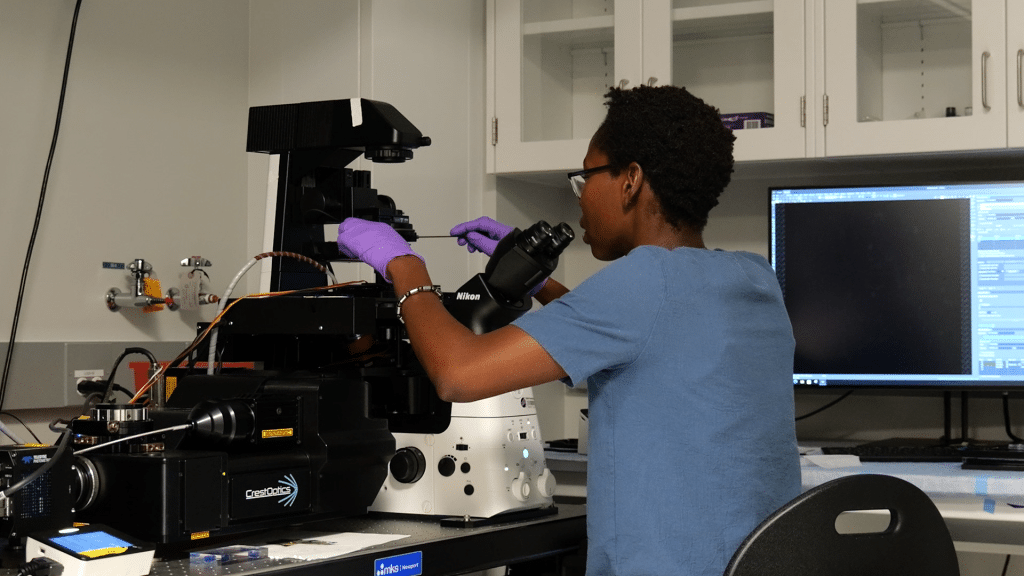
In 1988, the Packard Foundation established the Packard Fellowships for Science and Engineering to allow the nation’s most promising early-career scientists and engineers flexible funding to take risks and explore new frontiers in their fields of study.
Each year, the Foundation selects 20 Fellows from 50 invited institutions to receive individual grants of $875,000, distributed over five years. Fellows are encouraged to think big and look at complex issues with a fresh perspective. They can use their funds in whatever way would best advance their research.
The program is rooted in David Packard’s commitment to strengthening university-based science and engineering programs in recognition that the success of the Hewlett-Packard Company, which he co-founded, derived in large measure from the research and development in university laboratories. Since its inception, the Packard Foundation has awarded over $500 million to support 710 scientists and engineers.
From unraveling the mysteries of aging, to studying emerging virus strains for rapid detection and prevention, to better understanding the origins of the universe, Fellows are leaving a lasting and positive impact on our world. Fellows have gone on to receive the highest accolades, including Nobel Prizes in Chemistry and Physics, and elections to the National Academies of Science, Engineering, and Medicine.