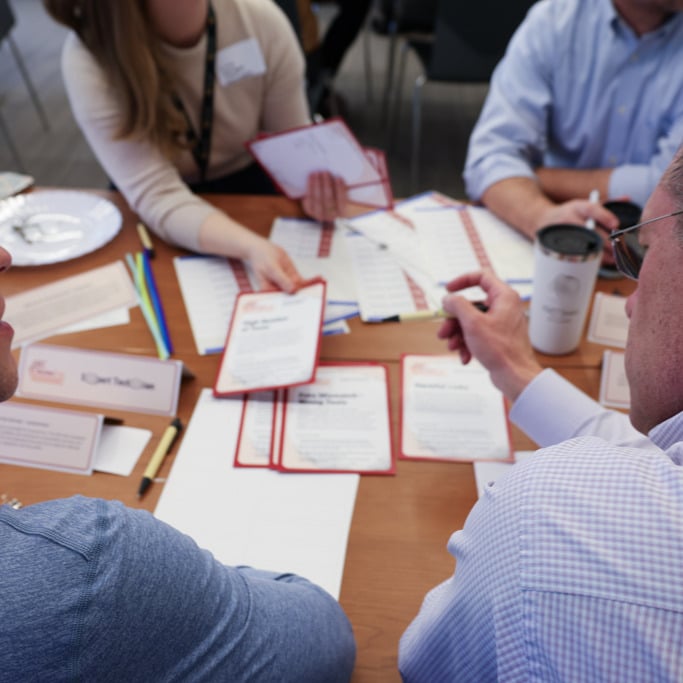
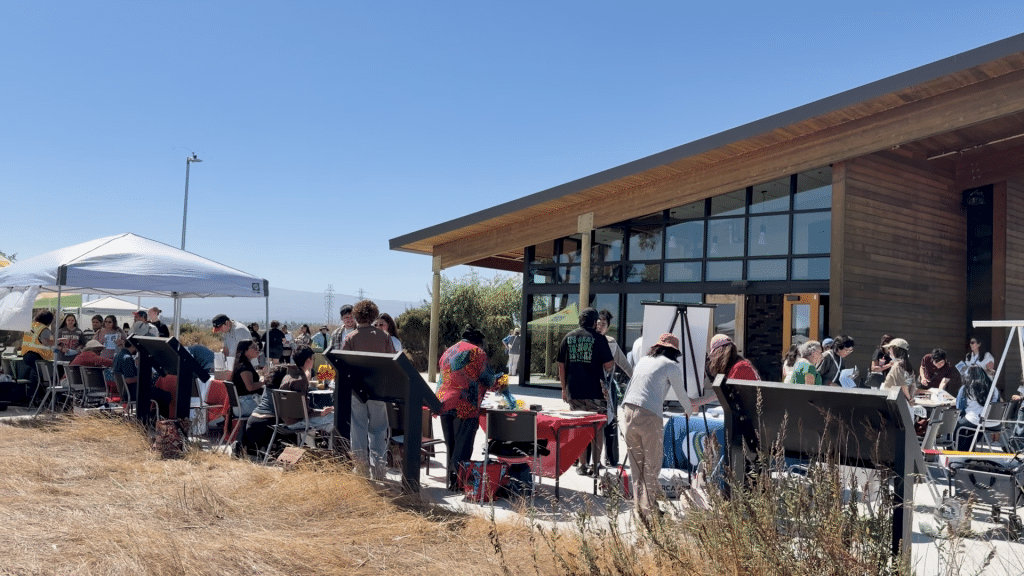
I’ve been thinking a lot lately about courage—what it looks like when it’s quiet, when it’s not heroic, when it’s just a person deciding to show up. A school board meeting. A neighborhood that starts talking. A coalition that holds together when holding together is hard.
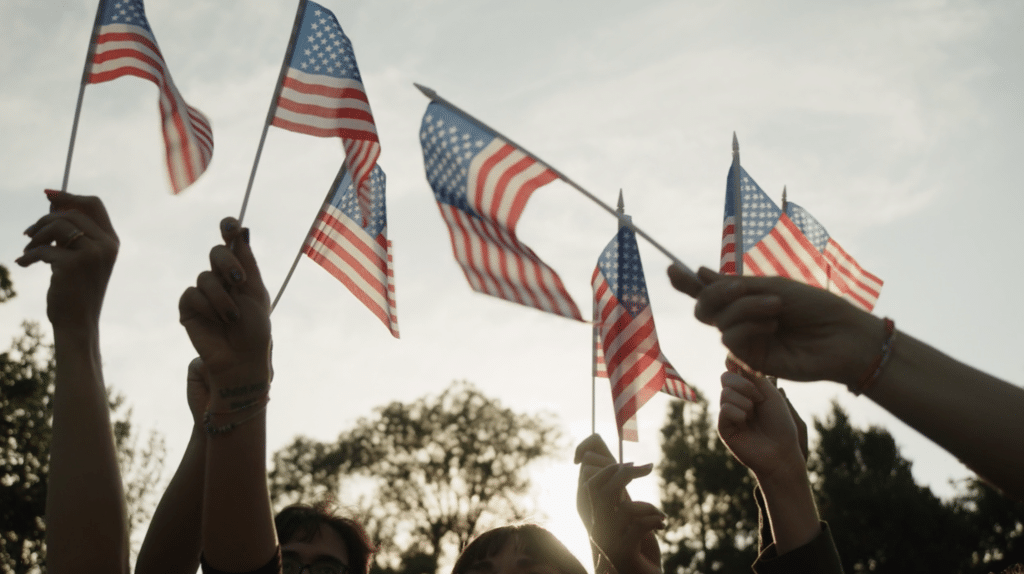
As the United States turns 250 this July, I find myself holding several things at once: a genuine sense of awe for the courage it took to found a country with an audacious vision of equality for all; appreciation for both the progress and continued challenges we face in realizing these aspirations; and a clear-eyed recognition that our democracy is under greater threat than at any point in my lifetime.
Our democracy is under serious threat not from one policy or one election, but from a convergence of forces that are undermining our institutions, our economy, and our freedoms. According to the Pew Research Center, the health of America’s democracy declined in 2025, and 69% of U.S. adults say they are dissatisfied with the way democracy is working in the U.S. Communities are increasingly divided. Families are struggling to pay the rent or buy food. The space for dissent, for science, for civil society itself, is being contested in ways that should alarm all of us.
The Founding Fathers gave us an aspiration, not a finished product and certainly not a guarantee. Across two and a half centuries, we have repeatedly sought to make that aspiration a reality: the civil rights movement, the women’s suffrage movement, and the environmental movement. All were transformative, and none was the work of one organization or one visionary. They were waves built from countless individual acts of courage that joined together and became something irresistible. The through-line in every one of these leaps forward was the decision of one person, then another, deciding to act—showing up, speaking up, and refusing to stop.
Eleanor Roosevelt understood this. “Courage is more exhilarating than fear,” she wrote, “and in the long run it is easier. We do not have to become heroes overnight. Just a step at a time, meeting each thing that comes up.”
These days I find myself moved to tears when I hear of someone who has stepped forward to help a stranger or resist injustice when they could so easily stay home. First one, then another, then a crowd. Neighbors forming rapid-response networks when immigration raids hit their communities. Faith leaders opening their doors. Ordinary people showing up in subzero temperatures because they believe it matters.
David Packard—who chaired the Palo Alto School Board and built what became one of the world’s great companies—believed that strong communities require engaged citizens, and that leadership means showing up locally. When David and Lucile Packard formalized their philanthropy in 1964, they carried that conviction forward: true innovation isn’t measured in products; it’s measured in what people can build for their communities and their futures.
At the Packard Foundation, that legacy shapes how we work today. It means supporting community leaders, funding organizations for the long term, and investing in the civic infrastructure that makes collective action possible.
We do not need heroes. We need participants.
This Fourth of July is not a moment for passive commemoration. It is an inflection point. The most powerful force for democratic renewal is not a new technology or a new policy framework. It is community and each of us—people with shared stakes, shared values, and the willingness to act together. One step at a time. That has always been the most powerful innovation we have.