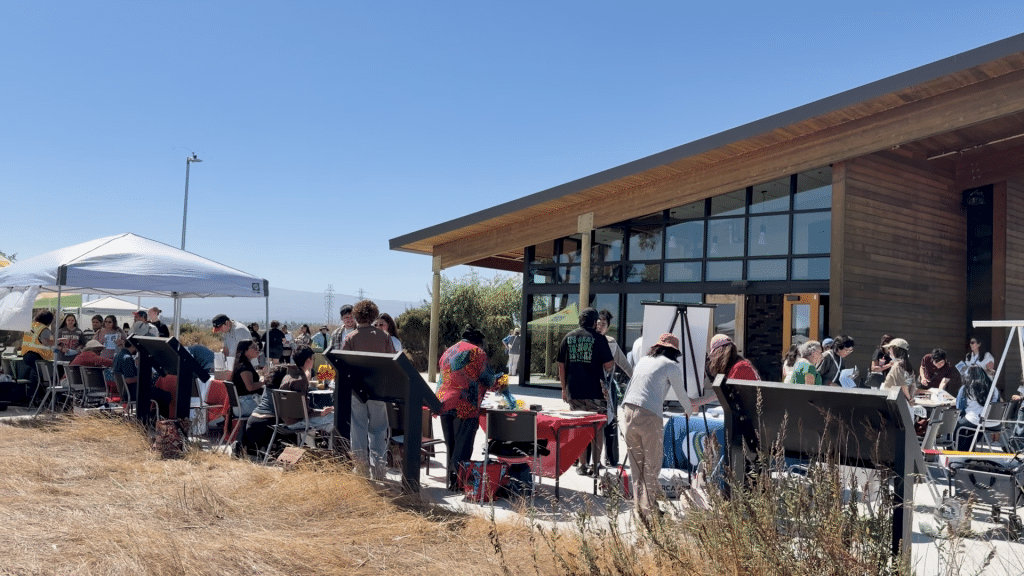
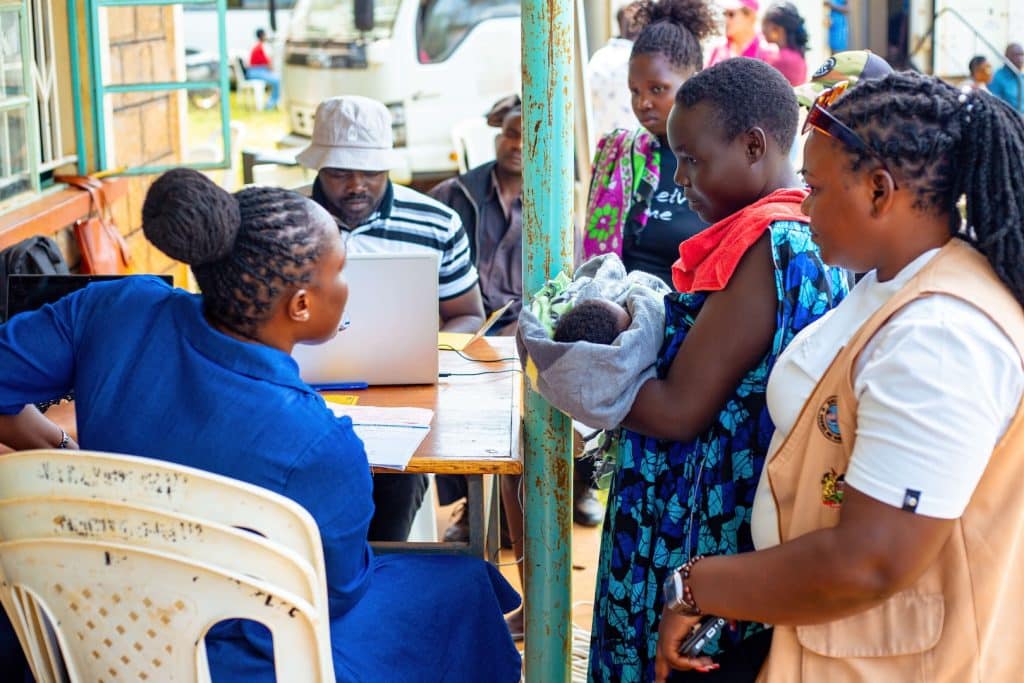
The Packard Foundation recently partnered with Shiree Teng at Teng & Smith to bring maternal health practitioners and parents together across Alameda, Fresno and Monterey counties in California. The collaborative process in each county helped map a more accessible, person-centered system of maternal care and identify specific funding priorities.
Parents and practitioners in these three counties offered insights that are grounded in experience. Their visions are compelling, and their call to philanthropy is direct. These recommendations will inform the Foundation’s grantmaking over the next two years, as we test and learn from approaches to create a connected system of care that responds to the needs and desires of families.
Across these three distinct counties—each with its own priority communities, organizations, and political landscape—the same core themes surfaced. Families and providers named remarkably consistent needs, pointing to shared solutions for a more connected, equitable maternal health system.
Five Themes Common to All Three Counties
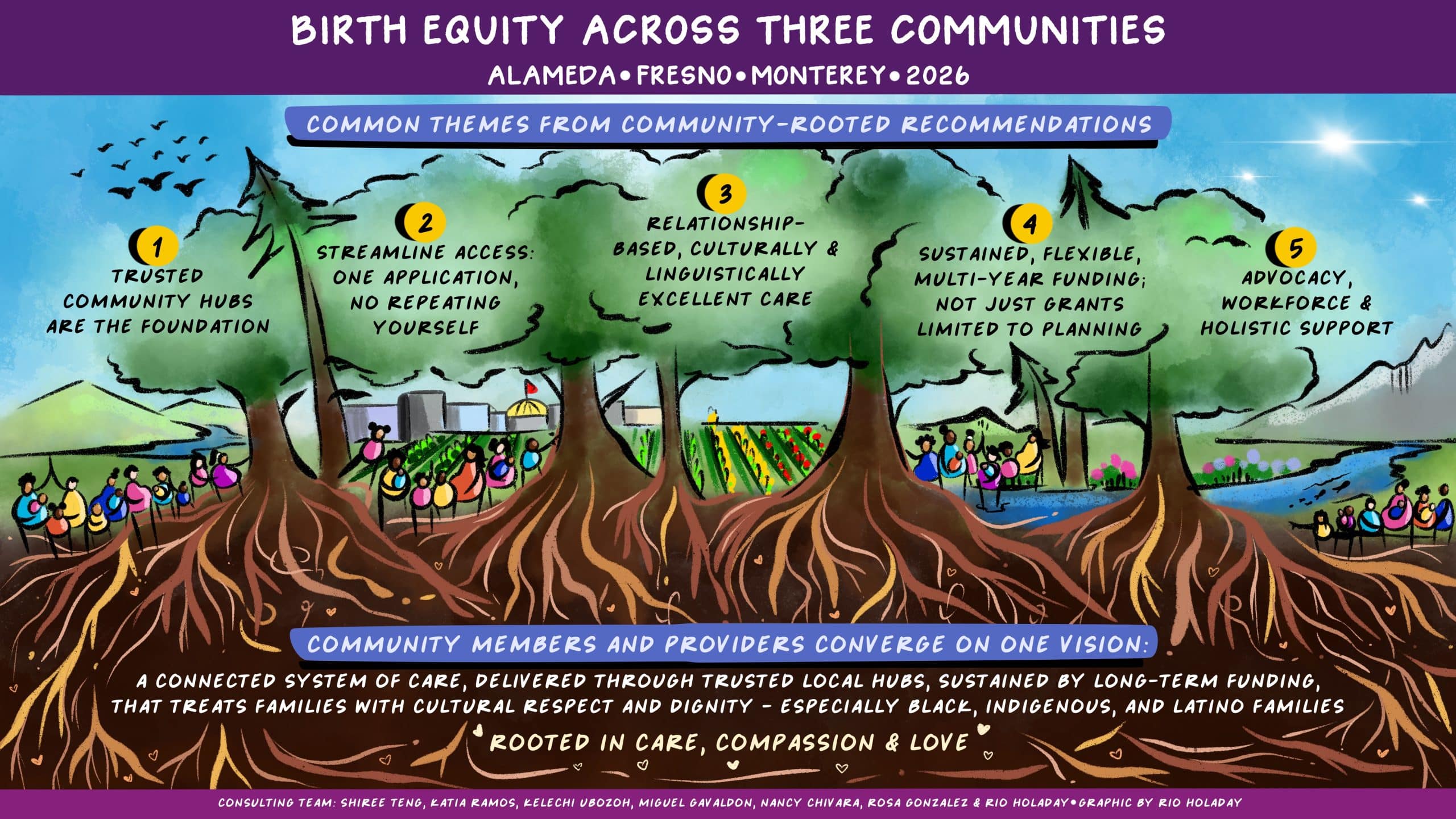
1. Trusted community hubs are the foundation.
Every county centers neighborhood-based “one-stop shops” where families access health, childcare, and financial benefits in one trusted place. Alameda: support existing trusted neighborhood-based hubs. Fresno grounds its whole strategy in building the capacity of BWPC, CBDIO, and FAIHP as trusted hubs and “healing houses.” Monterey envisions collaborative, holistic maternal health hubs countywide. Families trust places and people they already know—anchors worth sustaining like schools or clinics.
2. Streamline access—one application, no repeating yourself.
All three name fragmented, burdensome enrollment as a central barrier. Alameda calls for a single application across agencies and county databases that communicate with each other. Fresno’s mothers ranked community-based eligibility hubs as their top recommendation. Monterey emphasizes consolidating services so care is accessible at every stage.
3. Relationship-based, culturally & linguistically excellent care.
Beyond translation or “competence,” families want frontline staff who understand their lived experience of bias and treat them as whole people. Fresno documents this vividly (poorly translated Mixteco materials, families turned away, self-advocacy as survival). Alameda calls for culturally and linguistically responsive services; Monterey names cultural respect and diversity in providers as core.
4. Sustained, flexible, multi-year funding—not just grants limited to planning.
A shared frustration: money for planning but not implementation erodes trust. Alameda providers were emphatic—parents need to know we’re going to be here for the long haul—reframing the work as infrastructure, “not a passion project.” Fresno stresses covering frontline staff plus 20–30% operational overhead that project grants neglect. Monterey calls for funding that challenges short-term payer priorities.
5. Advocacy, workforce & holistic support.
All three link birth equity to broader systems: Medi-Cal reimbursement for midwives and doulas, realistic eligibility thresholds, expanded 0–3 childcare, guaranteed income, housing, and mental health. Each frames confronting bias in “hostile systems” as essential to supporting both the birthing workforce and families.
Notable County-Specific Emphasis
Alameda leans into a mobile van model and data/community governance.
Fresno uniquely surfaces rural access (a fourth rural hub in Huron) and Indigenous language justice.
Monterey foregrounds perinatal health navigators and a systems-transformation frame—“where love leads.”
The Shared Through-Line
Community members and providers converge on one vision: a connected system of care, delivered through trusted local hubs, sustained by long-term funding, that treats families with cultural respect and dignity—especially Black, Indigenous, and Latino families, who face the greatest barriers to healthy pregnancies and births.