Partnering with funders, organizations and regional leaders to end tropical deforestation and confront climate change.
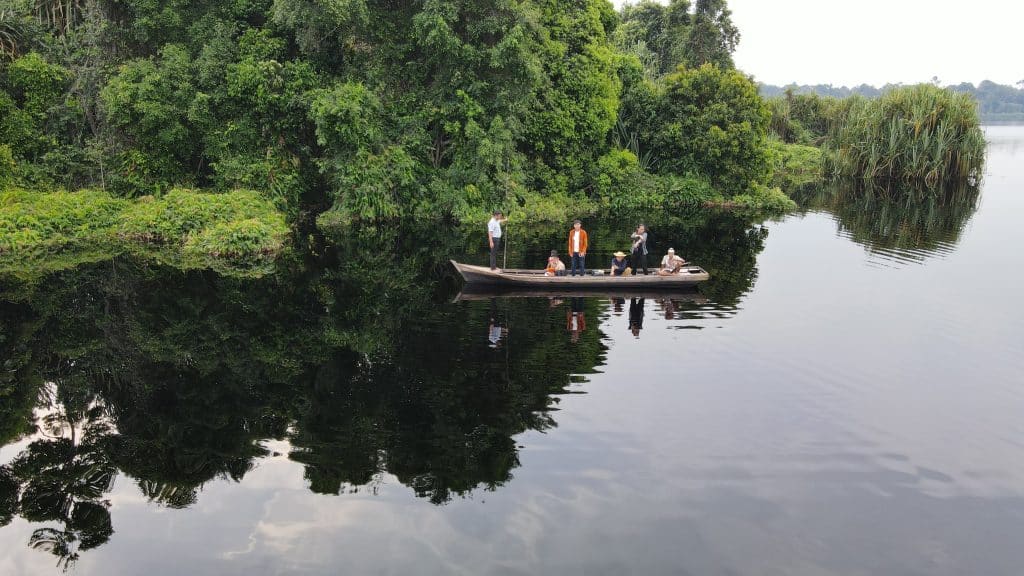
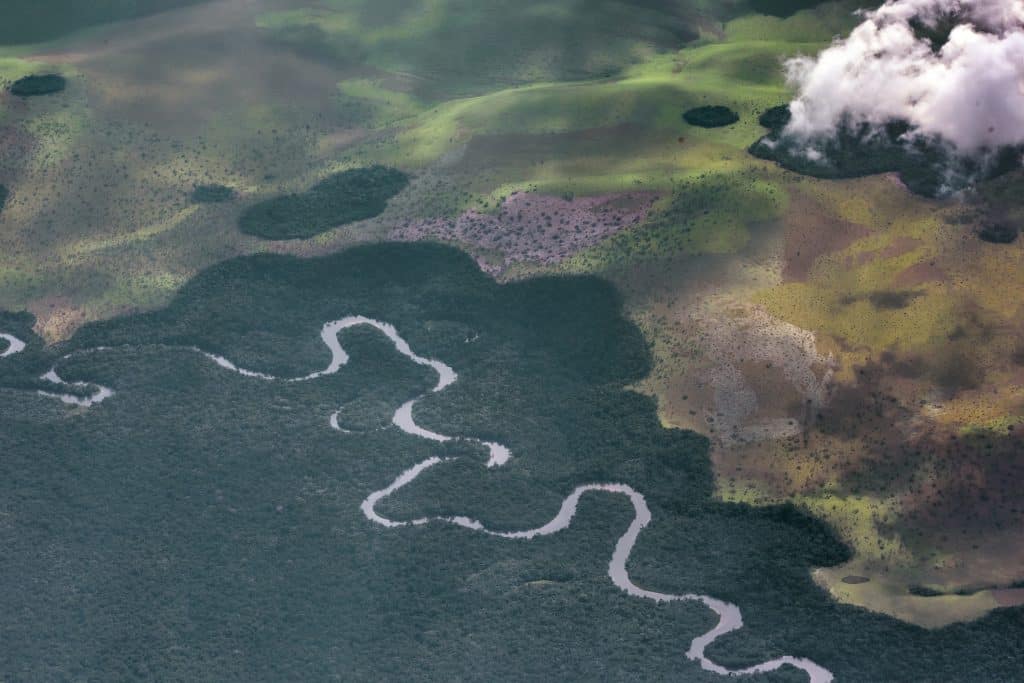
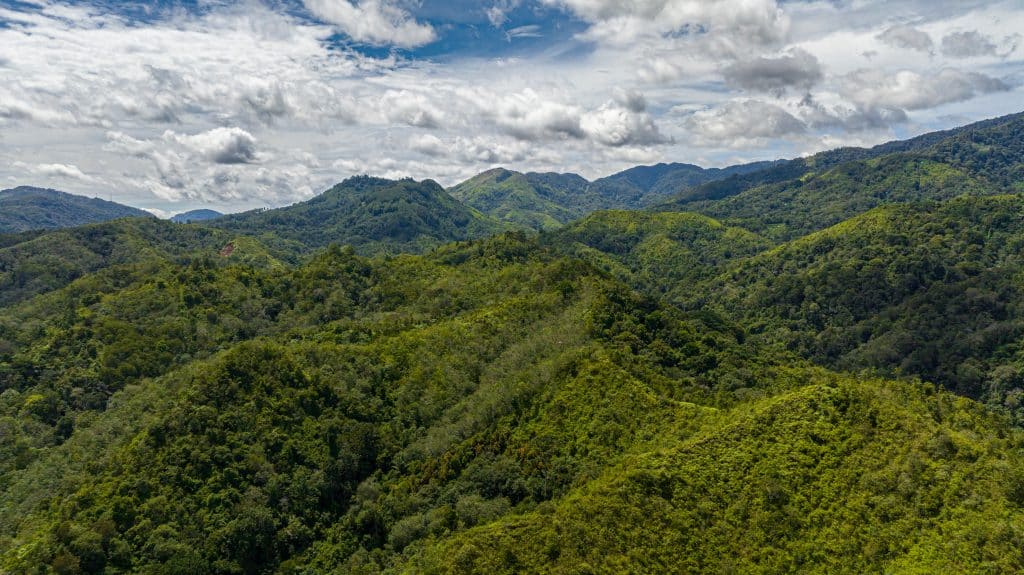
Tropical forests cover less than 20 percent of the world’s land, yet they are home to countless plant and animal species, provide clean air, water, and other life-sustaining resources. They are also one of the most powerful natural tools we have for slowing climate change.
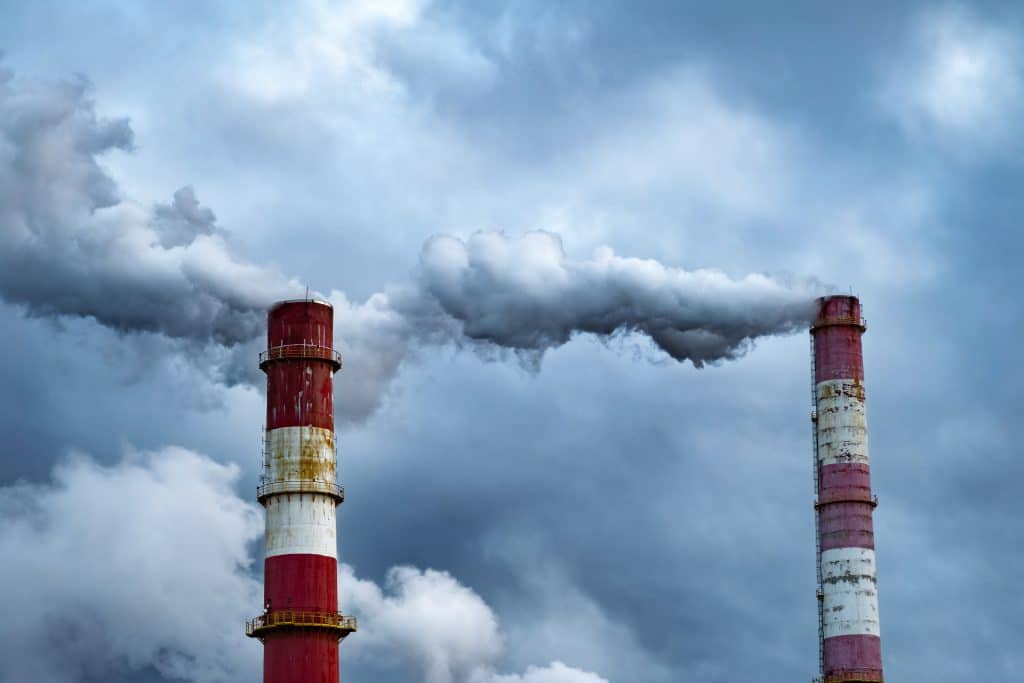
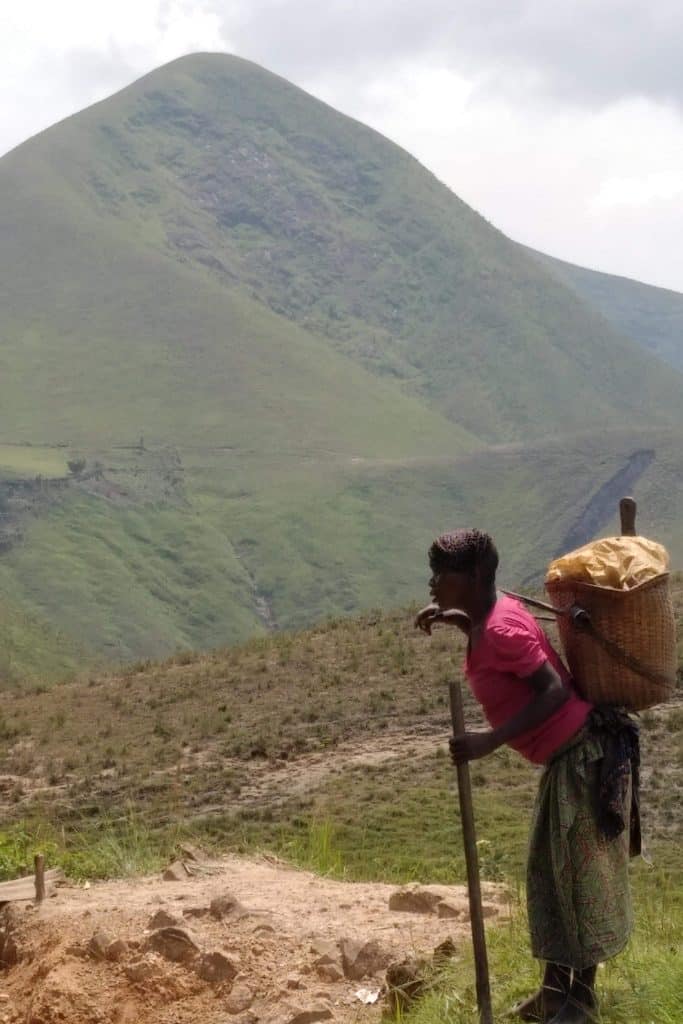
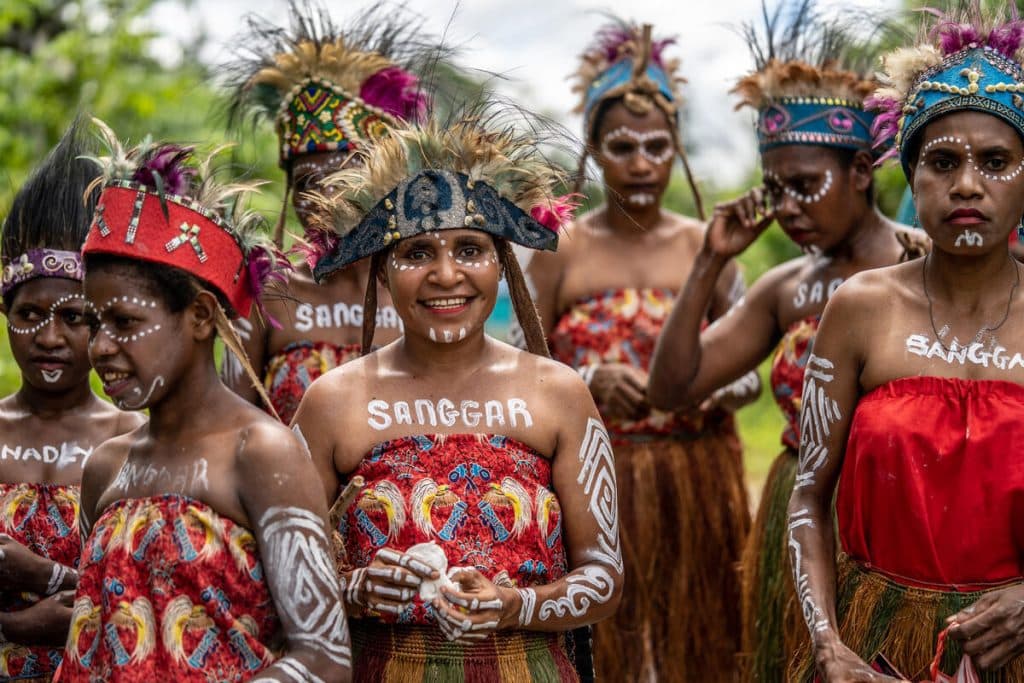
Yet today, tropical forests are being lost at an alarming rate, primarily due to unsustainable industrial agriculture and development. This loss contributes 10 to 15 percent of global greenhouse gas emissions, more than the entire transportation sector worldwide. It also harms nature and threatens the rights, livelihoods, and cultures of the people who depend on tropical forests the most.
Through our Global Climate initiative, we focus on protecting tropical forests in three key regions: the Congo Basin, Indonesia, and the Brazilian Amazon. These areas are rich in wildlife, help slow climate change by storing large amounts of carbon dioxide, and are home to local leadership working to conserve and restore forests.
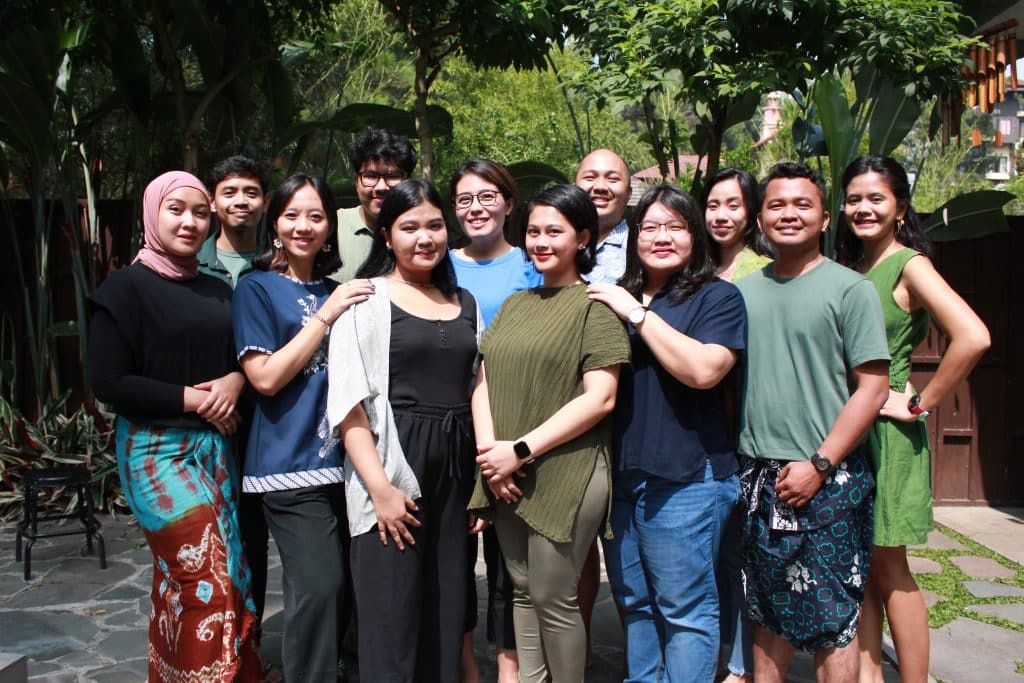
We support Forests, People, Climate (FPC), a global partnership of donors, civil society groups, and regional leaders working in these three regions. FPC helps channel resources directly to local organizations to protect forests and strengthen local collaboration and leadership.
In addition, we have a deep history in helping to build the field of climate philanthropy, including helping to create the Climate and Land Use Alliance (CLUA), ClimateWorks Foundation, and Climate Lead. We also support Climate Breakthrough—an organization we helped launch—which provides unrestricted funding to visionary leaders around the world, giving them the freedom to pursue novel strategies to end the climate crisis.