For a scratchy throat, feeling unwell is bad enough. The dreaded strep throat swab that follows is no fun either, especially for kids.
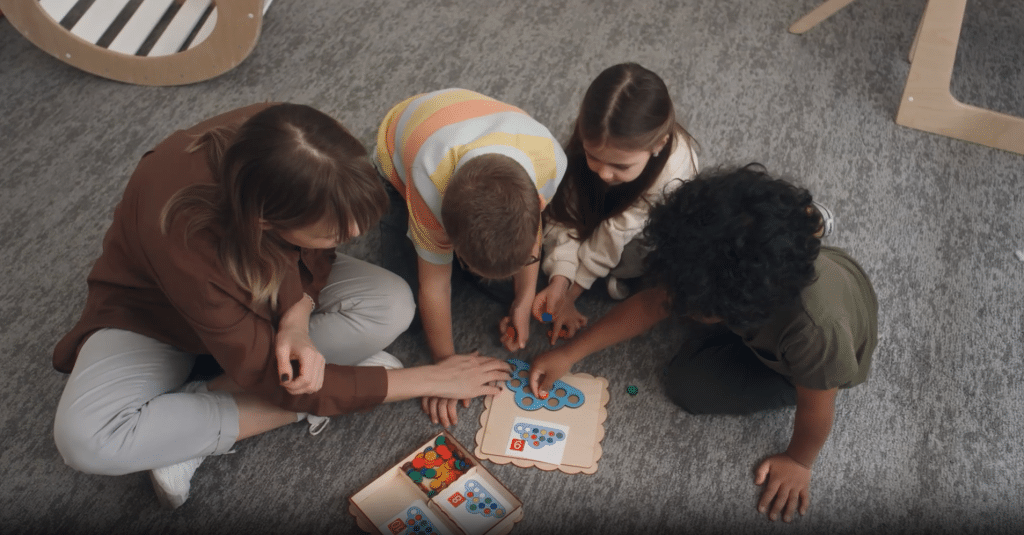
Dr. Ashleigh Theberge’s lab at the University of Washington has invented a gentler alternative: a strawberry flavored lollipop with tiny spiral channels that siphon off saliva for testing. The idea is that the lollipop could eventually be a part of home first aid kits for parents to test their child themselves.
“We leverage chemistry and physics to make tools that are useful for human health."
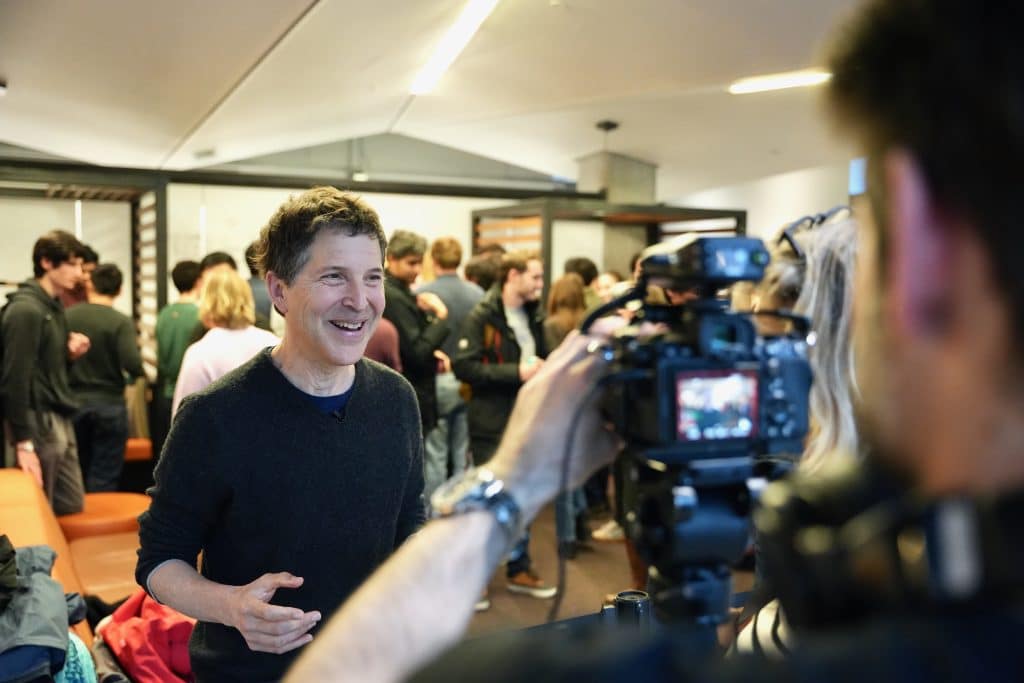
Ashleigh Theberge, 2019 Packard Fellow
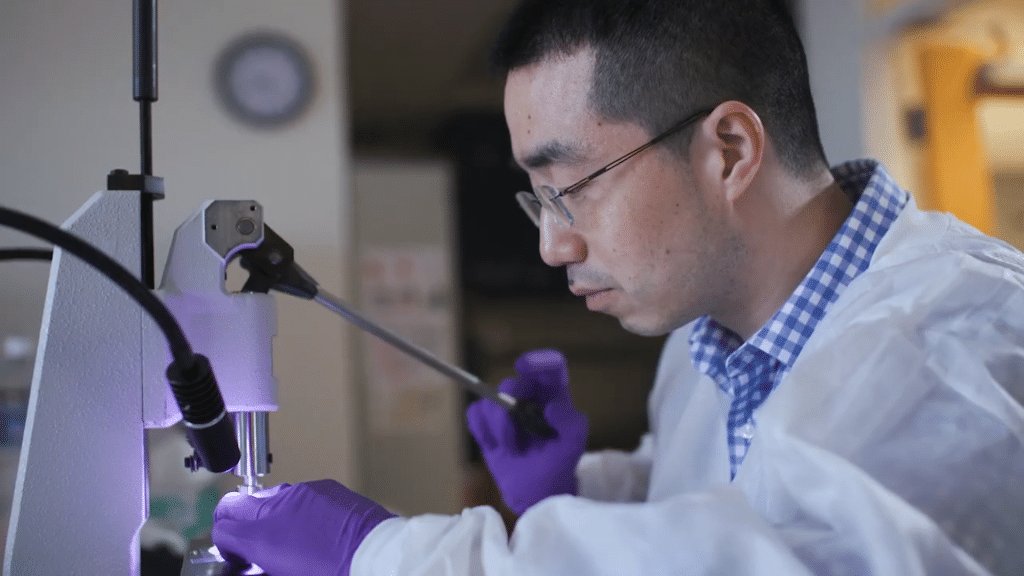
Her lab designs devices that move, measure, and make sense of small amounts of liquid so diagnostics can be simpler for patients and more informative for clinicians. They specialize in microfluidics, the science of guiding tiny amounts of liquid through hair-thin channels.
Raised on an island in Maine, Theberge was the kid running experiments in a spare room above her father’s carpentry shop. In college she discovered microfluidics and liked that it blended chemistry, physics, and biology. That passion for interdisciplinarity shows up in her lab today.
A major part of the group’s work is at-home sampling. One kit they devised lets people collect a small blood sample and, with a quick twist of two tubes without pipettes or ice packs to stabilize RNA so it can be mailed to the lab at room temperature. The blood collector is also less painful than a traditional blood draw. The approach has supported nationwide studies that would be hard to run in clinics, including research on asthma for people in wildfire-prone areas. Because the kits travel by mail, participation has expanded to rural families, shift workers, and caregivers who cannot spare weekday visits to clinics for research trials.
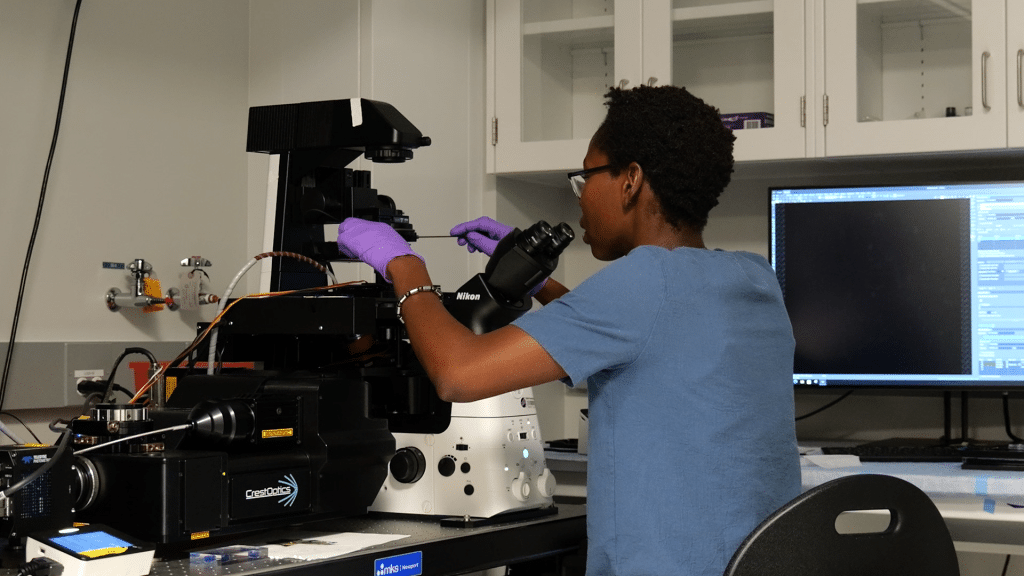
Within the lab, Theberge’s team builds microfluidic systems that replicate how cells talk to one another in controlled chambers, allowing researchers to study how signals travel between tissues in health and disease.
In 2019, Ashleigh Theberge was awarded a Packard Fellowship for Science and Engineering, she was interested in studying how tiny amounts of liquid move and separate. The Fellowship awards an annual cohort of about 20 promising early-career scientists and engineers with $875,000 over the course of five years to take risks and make new discoveries. Theberge credits the flexibility of the Fellowship for her ability to take her basic research and transform it into useful tools.
“When I applied for the Packard Fellowship, we hadn’t even conceived of the homeRNA kit or the lollipop saliva collection device. Being able to pivot away from my early topic was really important."
Ashleigh Theberge, 2019 Packard Fellow
Theberge used the Packard Fellowship funds to help cover pilot tests, student time, and even manufacturing steps needed to move devices out of the lab. For Theberge, supporting basic science is critical for seeding the inventions of the future. It isn’t always clear how experiments in the lab will result in enduring solutions that help make our world better.
“I would love to encourage people to be curious and ask their questions,” said Theberge. “Even the most fundamental observation might lead to something that’s actually very tangible and has an effect on people’s daily lives.”