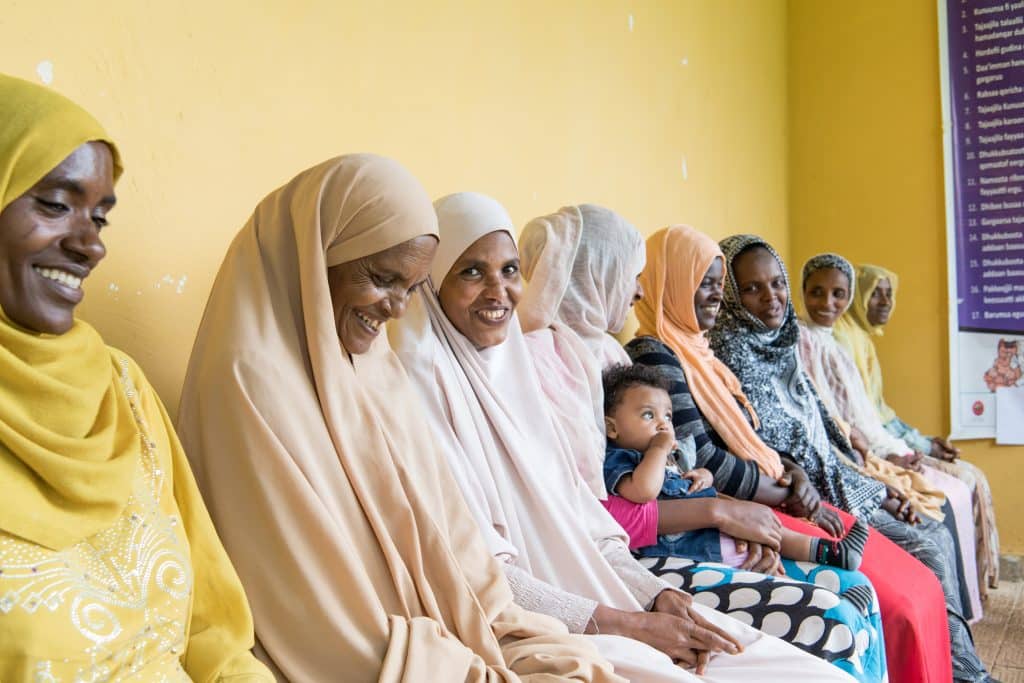
Expanding access to comprehensive reproductive health care in Africa.
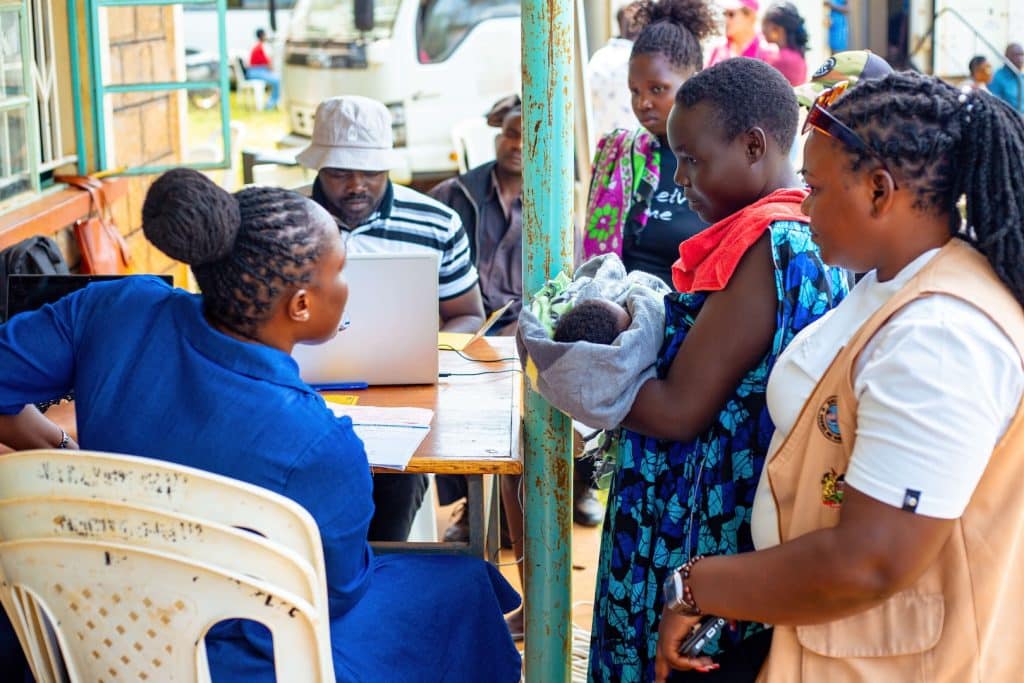
Access to comprehensive reproductive health care enables people to decide whether and when to have children and contributes to improved maternal, child, and overall health, increased education and economic opportunities – especially for women and girls – and stronger families and communities.
We are committed to ensuring access to comprehensive, quality reproductive health care when and where it is needed in Africa, so women and girls can thrive and fulfill their aspirations.
We take a regional approach, focusing on East and francophone West Africa, where unmet need for reproductive health and rates of maternal death and injury are highest. Informed by the perspectives of regional leadership, we support innovation, advocacy, leaders, and networks working at both the regional and national level to meet the reproductive health needs of communities.
Together with our grantees, we are working to build movements to increase political will, improve policies, and mobilize funding to support reproductive health and rights. We also aim to ensure the global community prioritizes quality reproductive health care and embraces the perspectives of and solutions put forth by youth, health care providers, and women.