When wildfires cause the power to go out in the Bay Area, I head to my parents’ house. Their lights stay on.
Because both of my parents have limited mobility, a power outage isn’t just an inconvenience. A dark house can be dangerous to navigate. As outages became more frequent, they installed solar panels and battery storage. Now they have security they didn’t have before.
Their solar panels and batteries are one example of a clean energy system increasingly being installed in homes, health centers, and public buildings across the country.
Lower energy bills, lights staying on during a storm, and fewer emissions in the air we breathe aren’t three separate goals. On my parents’ roof, they’re all happening at once.
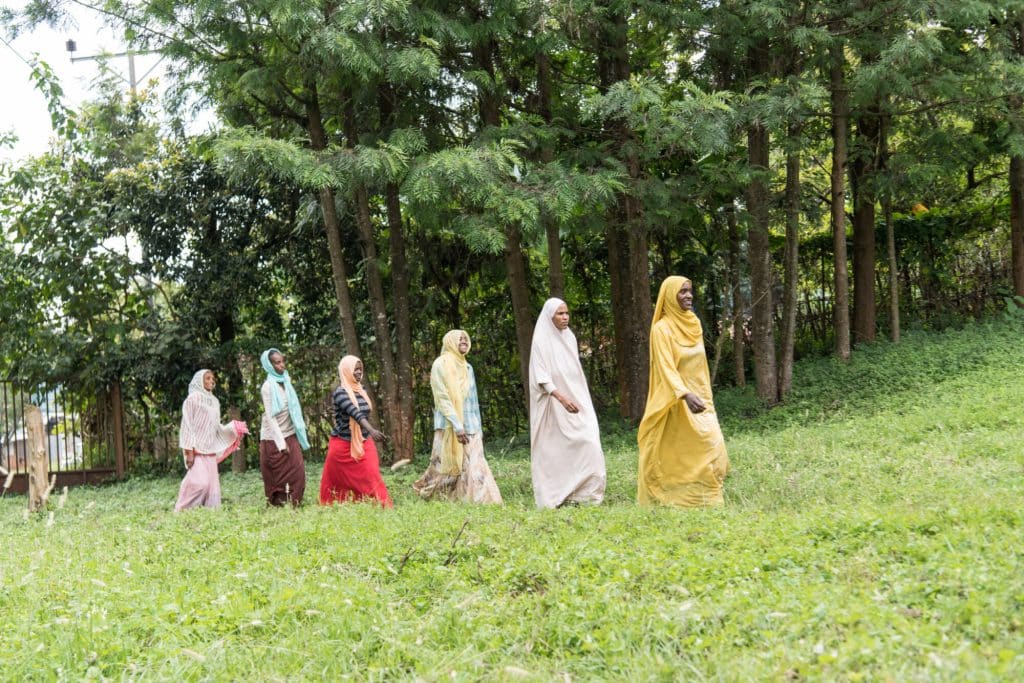
The stakes extend far beyond one home. Communities across the country face more extreme weather, even as high energy bills strain family budgets and essential services. These pressures often fall hardest on communities with the fewest resources to respond and recover.
Yet progress on clean energy can feel uncertain amid policy setbacks and funding rollbacks.
This makes practical action on the ground even more important.
What clean energy looks like in practice
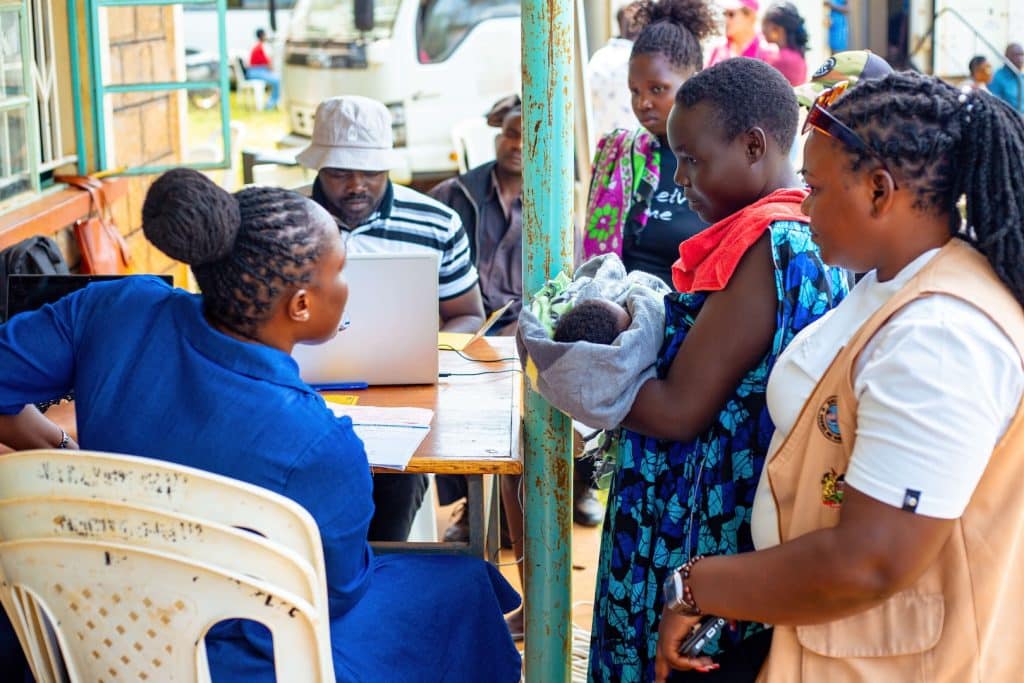
Our partner Collective Energy offers one example. It installs solar panels paired with battery storage on community health centers. At La Clínica de La Raza’s Fruitvale Village clinic in Oakland, California, one system lowered energy costs by 41% in its first year. It also cuts emissions and lets staff keep caring for patients during outages that once would have forced the clinic to close. Collective Energy is developing 66 projects across 14 states and estimates its projects save more than $1.7 million in electricity costs each year, while providing more than 1,000 hours of backup power during outages.
The invisible work that gets clean energy projects built
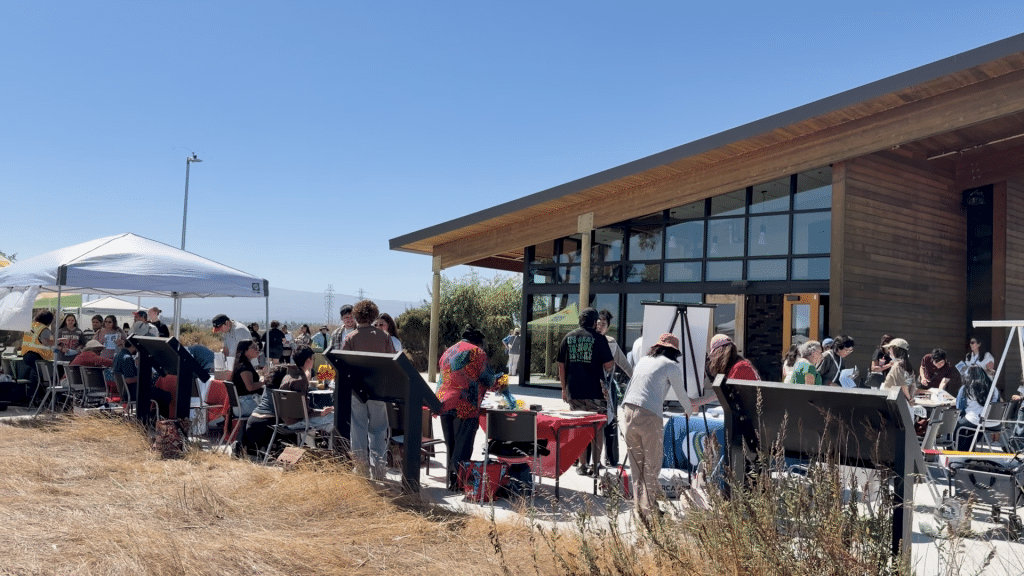
Supportive policy and proven technology make projects like this possible. But that isn’t enough. Getting them built also requires financing, permits, and coordination among developers, investors, government agencies, community organizations, and local leaders. Those partners may have different priorities and need time to build trust.
One way we support this work is through Invest in Our Future (IOF), which the Packard Foundation helped start alongside the Hewlett, MacArthur, and Rockefeller foundations. IOF helps viable clean energy projects move from plans to implementation in ways that benefit local communities and create jobs. Since IOF was founded in 2023, the Packard Foundation has provided $31.8 million in support.
I saw a smaller version of that complexity at home: It took my parents more than a year to make battery storage work with their older home. Their experience reinforced for me how much smoother the path can be when people have the right support.
For example, one of IOF’s grantees, Greenlight America, has helped win approval for clean energy projects totaling more than 20 gigawatts — roughly 10 times the generating capacity of the Hoover Dam — by organizing local residents to show up and make their voices heard in support of projects in their communities. Another grantee, Groundswell, has secured millions of private dollars in energy efficiency upgrades for homes in Arkansas and Georgia.
"The best use for philanthropic capital is not to pay for solar panels or wind turbines directly. It is to support the people and organizations that help communities understand a project, participate in decisions, and navigate the steps needed to get it built."
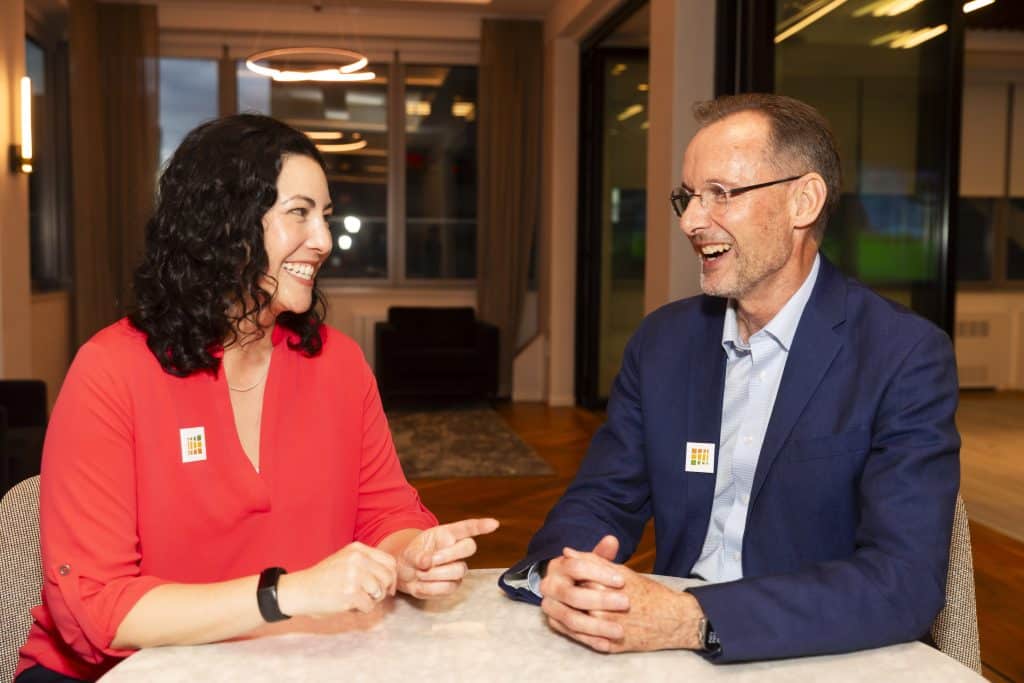
Prithi Trivedi, Special Initiatives Director
The best use for philanthropic capital is not to pay for solar panels or wind turbines directly. It is to support the people and organizations that help communities understand a project, participate in decisions, and navigate the steps needed to get it built.
This work may happen behind the scenes, but it can determine whether a project moves forward — and whether communities have a meaningful role in shaping and benefiting from it.
For decades, our climate grantmaking has focused on reducing greenhouse gas emissions around the world. Today, U.S. communities are also living with climate impacts and rising energy costs. IOF lets us support the people and organizations helping clean energy projects move forward, reducing emissions while helping communities become more resilient now.
The opportunity for philanthropy
For funders and partners looking for where to have an impact now, the opportunity is clear: invest in the people and organizations doing the coordination, trust-building, and problem-solving needed to move clean energy projects from viable to built. That means supporting community engagement, local capacity, and partnerships that help ensure the communities hosting projects have a meaningful role in shaping them and sharing in the benefits. These investments can help deliver clean energy that lowers costs, strengthens resilience, and cuts emissions.
At its core, this work is about whether people can count on the homes, health centers, and communities they depend on as climate impacts intensify.
It is about safety, dignity, and greater stability on a warming planet.
And sometimes, it is as simple — and as important — as whether the lights stay on.