Climate Resilient Communities, a Packard Foundation grantee partner, works with residents across San Mateo and Santa Clara counties to design community-led climate resilience solutions, from rain gardens to home repairs and air purification, that help families prepare for flooding, extreme heat and wildfire smoke.
In a church in East Palo Alto, Kamille Lang asked a group of residents how they have experienced poor air quality in their neighborhoods.
One woman raised her hand to share that, until she talked to people who lived outside the city, she hadn’t realized it wasn’t normal for almost everyone you know to have asthma.
Led by Lang, the outreach and education director for Climate Resilient Communities, the workshop explored how a history of redlining — a discriminatory practice that limited access to mortgages and other financial services in certain neighborhoods — and chronic underinvestment has led to disproportionately high pollution levels in East Palo Alto.
Asthma rates are significantly higher in East Palo Alto than in neighboring Menlo Park and Palo Alto, due to pollution from heavy traffic and far less tree cover (13.5% in East Palo Alto compared with 27% in Menlo Park and 38% in Palo Alto). At the end of the workshop, each person received a home air purifier to help protect themselves and their families from poor air quality.
The workshop was part of the East Palo Alto Resilience Fair, hosted by Climate Resilient Communities (CRC). Residents gathered to learn about environmental and food justice, meet local organizations and connect with resources ranging from native plant restoration to free backyard tree planting.
“We want to make sure there are more tangible resources going into the homes of residents in vulnerable situations like what’s going on in East Palo Alto."
Kamille Lang, Director of Outreach and Education, Climate Resilient Communities
Creating spaces where people can come together to forge solutions that will make their cities safer and healthier is what Climate Resilient Communities is all about.
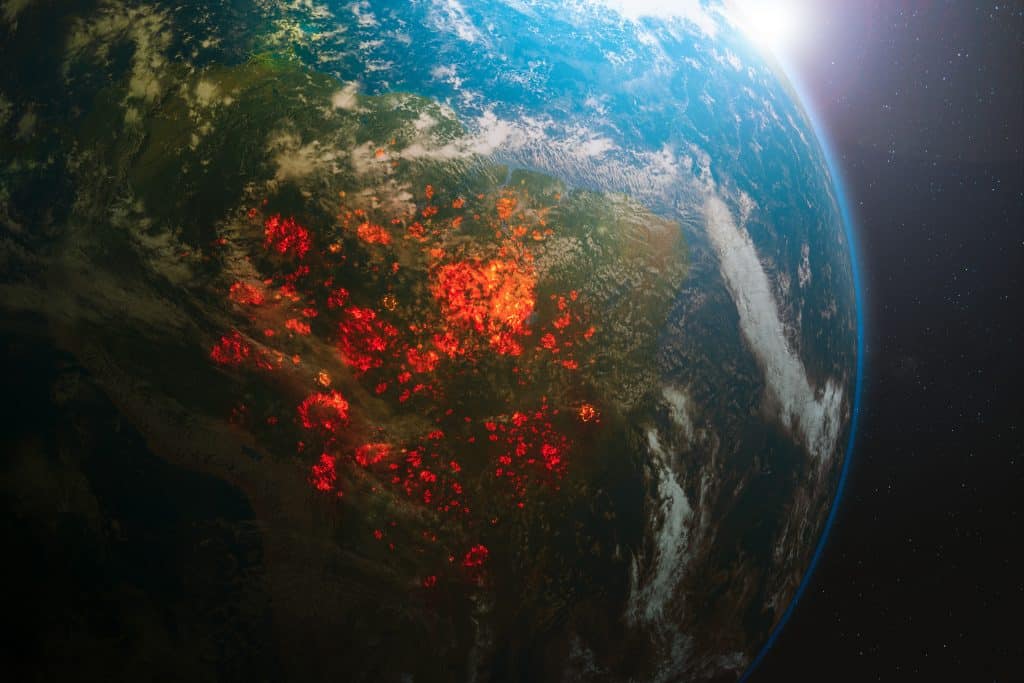
Climate resilience means preparing communities to withstand and adapt to the effects of a changing climate, like flooding, extreme heat, and wildfire smoke. As California continues to warm, those challenges are expected to become more pronounced. Average daily maximum temperatures across the state are projected to rise roughly 4 to 6 degrees Fahrenheit by 2050, alongside increased projections of wildfires and flooding.
From Community Priorities to Local Solutions
Led by Founder and Executive Director Violet Saena, Climate Resilient Communities (CRC) supports the communities facing serious climate change impacts, including East Palo Alto, North Fair Oaks, Belle Haven, San Bruno, South San Francisco, Alviso and East San Jose.
Saena’s approach is rooted in her own experience growing up in Samoa, where she became the country’s first climate change officer and saw firsthand how communities were already confronting rising seas, coastal erosion and other climate impacts.
“When I moved to California, I was like, wait a minute, climate is already here. We have to start preparing for it."
Violet Saena, Founder and Executive Director, Climate Resilient Communities
At the center of CRC’s approach are Climate Change Community Teams, which bring residents together with local organizations, government staff and other partners to talk regularly about what is happening in their neighborhoods. CRC then pairs those experiences with data, including community-led climate vulnerability assessments to evaluate how climate change impacts specific people, places, and infrastructure, and works with residents to develop potential solutions.
The teams are designed to create an ongoing role for residents, rather than asking for community input only after a project has already been conceived.
“The role of CRC is to think through these project proposals and help the community partner with other organizations to design these projects, and seek funding to implement them,” Saena said.
Upgrading Homes For Climate Change
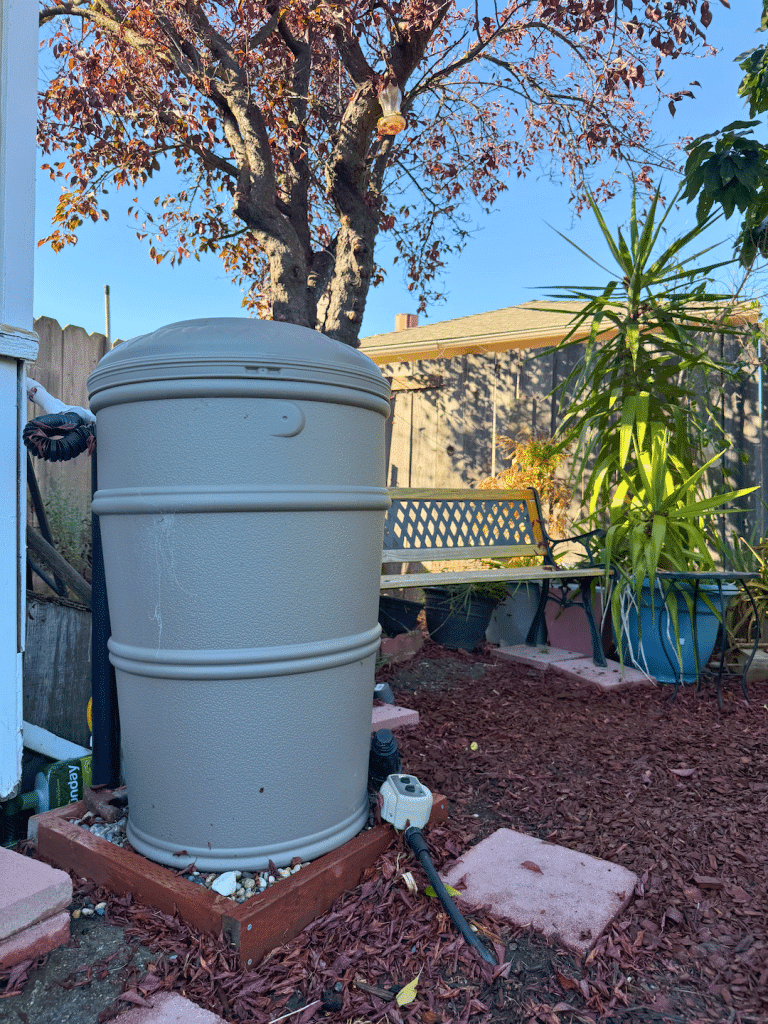
In East Palo Alto, the Climate Change Community Team identified flooding as a major concern for residents. CRC worked with them to develop a rain garden program to capture stormwater and reduce the risk of flooding around homes. The program also provides training opportunities for jobs that help build and maintain the gardens.
East Palo Alto resident Gaby Ledezma was one of the first people to have a rain garden installed in her front yard. Her yard and garage would flood every time it rained, so CRC helped install a system to redirect water from the roof into the garden, where it can collect and slowly drain rather than pooling around her home.
“The whole process was so easy, they answered any questions I had,” said Ledezma. “Not having to worry about flooding is priceless.”
The rain gardens are one example of CRC’s broader effort to help families make their homes safer and more resilient to climate change.
Through its Resilient Homes program, CRC connects residents with free or low-cost home repairs, weatherization, solar and energy-efficiency upgrades, while helping families navigate applications and services that can otherwise be difficult to access.
Over the past eight years, the program has connected more than 275 residents with services and provided more than $175,000 in free green home repairs and upgrades.
Investing in a Climate-Resilient California
The David and Lucile Packard Foundation supported Climate Resilient Communities with multi-year grants totaling $730,000 to strengthen its core capacity and its resident-led efforts to improve climate resilience in Northern California.
“Long-term, community-led climate work requires more than funding individual projects. It means investing in the core capacity of trusted organizations like Climate Resilient Communities that build relationships with residents over time and have the flexibility to respond as communities identify new needs,” said Jessica Mancini, California Communities Program Officer for the Packard Foundation.
The Packard Foundation supports a future where everyone, regardless of income or ZIP code, has access to clean air and water and safe green spaces for recreation, so they can be healthier and build resilience to the effects of climate change. The Foundation supports partners in San Mateo and Santa Clara counties — including Grassroots Ecology, Canopy, Green Foothills, and Save The Bay — who are taking a local approach to climate resilience work. These organizations are working together so that their community’s priorities can inform broader systems and solutions.
Whether it’s a resilience fair where neighbors can share information and solutions, a new rain garden that helps protect a home from flooding, or support making a house safer during extreme heat, CRC’s work, and the networks it’s part of, shows what climate resilience can look like when communities help shape the solutions themselves.