Fòs Feminista, a long-standing Packard Foundation grantee, leads a global alliance of local organizations that delivers comprehensive reproductive health care and ensures access to contraceptives for women and young people across Latin America, the Caribbean, Africa, and Asia.
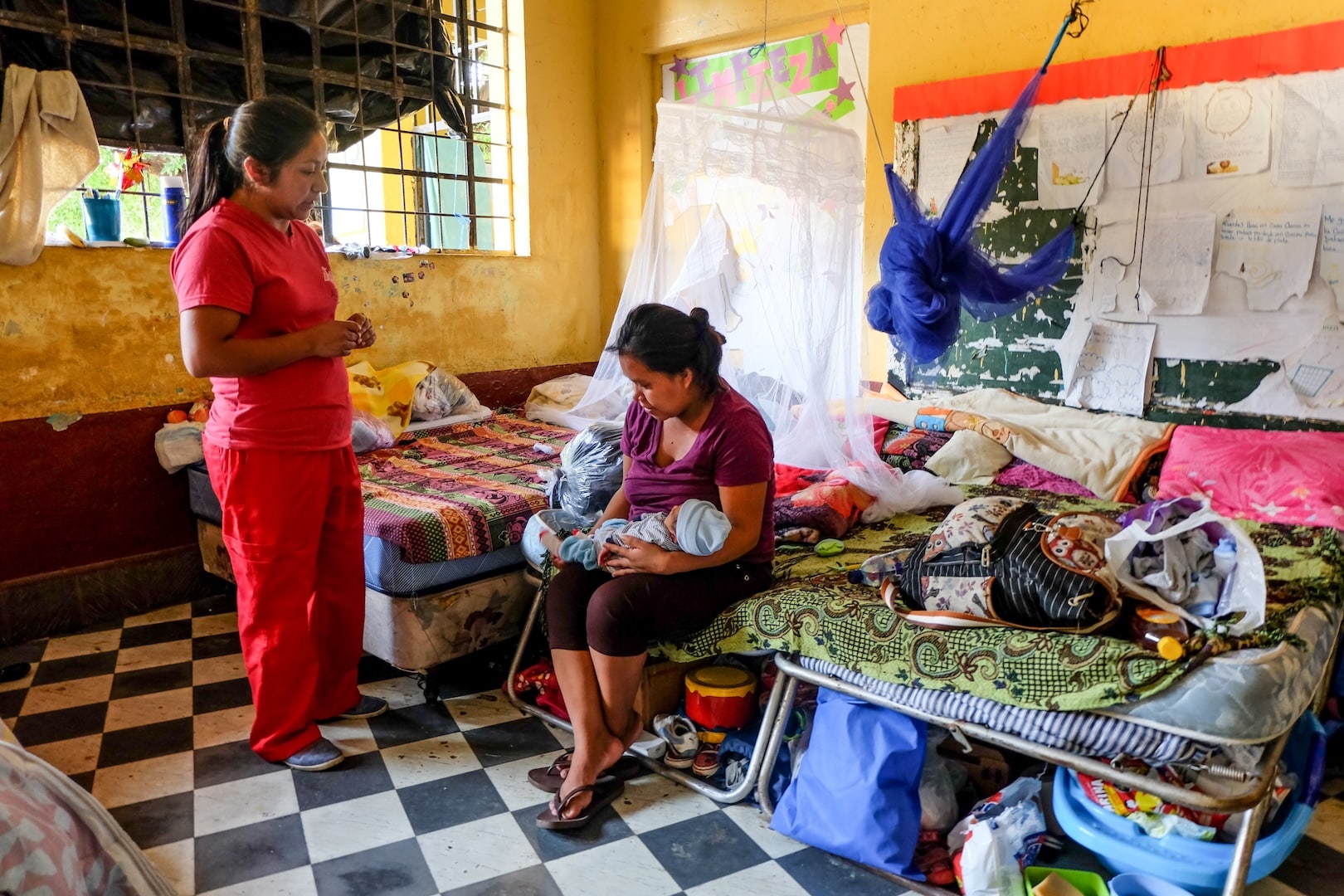
Reproductive healthcare looks different depending on where you live. For some people, it means walking into a community clinic to talk with a doctor who can prescribe what they need. For others, it means a mobile health unit coming into a community, bringing specialists and care closer to where people live. And for some others, it means being able to ask questions privately, in their own language, through an app on their phone.
The best care feels personal. It reflects local culture and meets a community’s specific needs.
That’s why local organizations are often the most effective at delivering comprehensive reproductive health care and reaching those that may not have access to other options. But historical reliance on international aid funding, particularly for civil society organizations, also makes these organizations more vulnerable to funding cuts and policy changes that jeopardize their services. Fòs Feminista works to solve that problem, supporting local organizations to provide consistent access to contraception, maternal health services and the full range of high-quality reproductive health care that women and young people need to make decisions about their own lives.
Fòs Feminista supports a Global South-led alliance of 200 local partner organizations across 40 countries. These partners focus on women and girls whose rights are most at risk, including adolescents, Indigenous and Afro-descendant women and girls, migrant populations, rural communities, and people living in humanitarian emergencies. The organizations provide health care, work toward social change, and promote reproductive justice.
How the Fòs Feminista Alliance Works
Fòs Feminista’s alliance aims to ensure universal access to sexual and reproductive healthcare, particularly for the women and girls who face the greatest barriers to accessing care. Fòs Feminista improves and expands the critical infrastructure of services, supplies, policies, and institutions that deliver care, allowing women and girls to access the full range of reproductive care they need.
Partner organizations provide contraception, safe abortion care where it is legally permitted, comprehensive sex education, and support for survivors of gender-based violence, while also advocating to protect access to care.
Fòs Feminista creates opportunities for partners to share knowledge across borders and coordinate global advocacy. A wide network of diverse, connected partners is better positioned to reach women in places that large institutions overlook and it’s harder to dismantle.
A key part of Fòs Feminista’s work is to help local partners build financial autonomy and increase sustainability so that they are better positioned to ensure that women and girls have uninterrupted, equitable access to reproductive health care. This helps their partners keep clinics staffed, mobile units running and contraceptives in stock consistently without relying on unpredictable funding.
"Financial autonomy begins with having choices. Fòs Feminista is expanding the financial options available to local organizations – from grants and catalytic capital for social enterprise to collective procurement – so we can combine and build the resources needed to sustain and expand care."
Giselle Carino, Fòs Feminista CEO
Fòs advances this work through three interconnected initiatives:
- The Innovation and Social Enterprise Lab: An idea incubator for sexual and reproductive health social enterprise models that provides technical support and funding to partners as they design and pilot models that create lasting income streams. The Lab has incubated or strengthened more than 55 reproductive health social enterprise models since 2020.
- The Feminist Impact Fund: An impact fund, housed within Fòs Feminista, that helps partners scale proven health models—from clinics to mobile units. These investments fuel growth, expand access to women’s health care, and strengthen feminist organizations ready for the next level. The Fund has deployed more than $7M USD in low interest loans to catalyze expansion of health care access since 2021.
- Innova Health Supplies: A non-profit company, co-founded by Fòs Feminista and partner organizations, that negotiates directly with manufacturers to secure contraceptives in bulk, helping products reach partners faster and more affordably. This helps to ensure access and affordability of contraceptives and other products. INNOVA currently distributes in 19 countries to 35 contract sales organizations and private sector partners, and since 2018 has distributed 35 million contraceptives.
“When nonprofits have the ability to generate their own income, they reinvest it into the engine of impact,” said Meradith Leebrick, Fòs Feminista Social Innovation and Financing Lead.
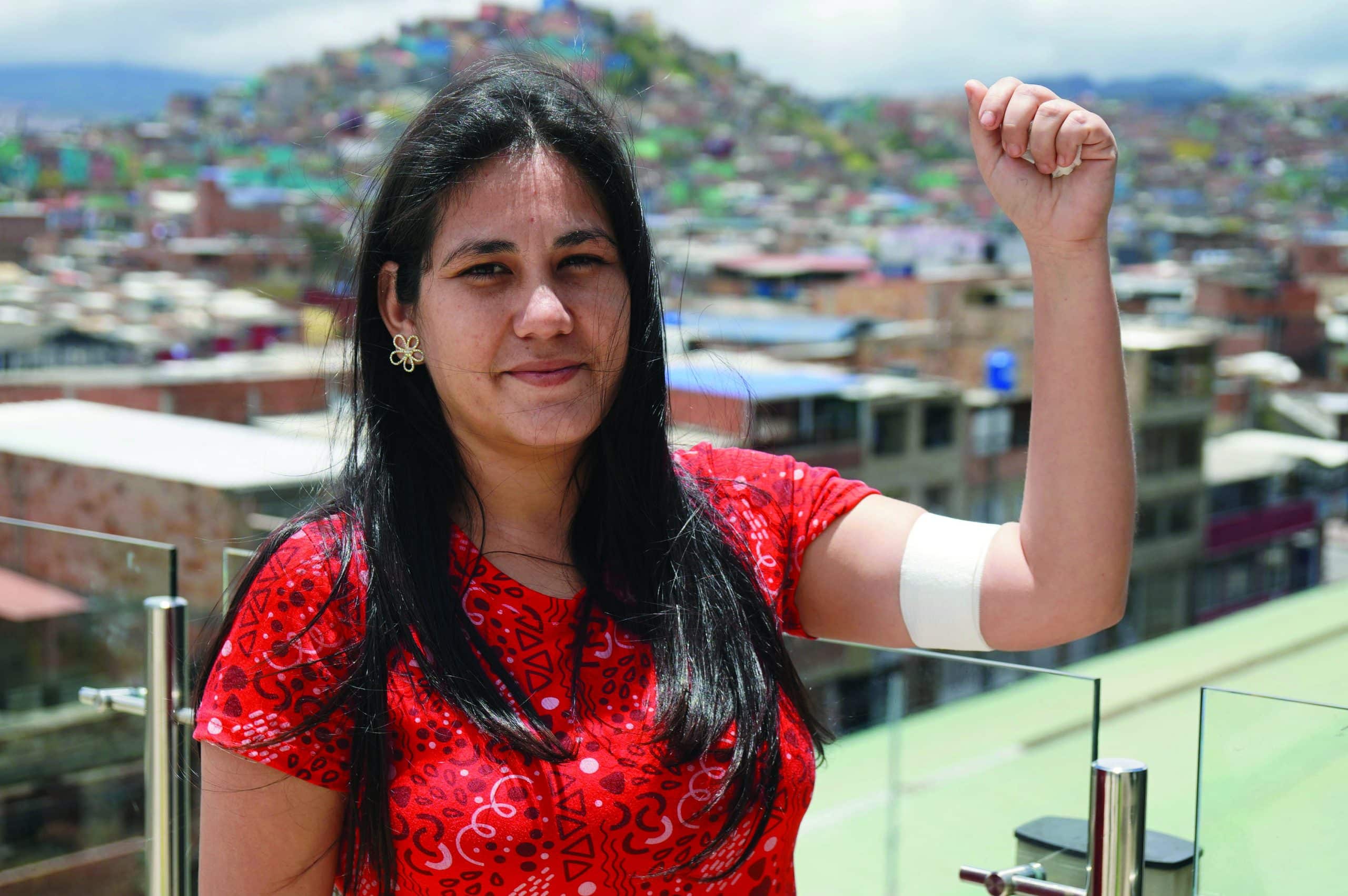
Fòs Feminista has seen the impact of this work play out in how their partners have impacted communities across the world. One example is Fòs Feminista’s partner CIES, in Bolivia. CIES is a leading provider of sexual and reproductive health care across the nation. The Feminist Impact Fund has given four loans to CIES to grow its comprehensive care clinic and mobile health model across Bolivia. As a result of CIES’ continued growth and positive results, in 2025, the organization generated enough income to sustain most of its operations while also redirecting $2.5 million in surplus to subsidize sex-ed for young people, free services for Indigenous communities and youth, and critical care for women experiencing gender-based violence or seeking legal abortion. In total, CIES was able to deliver almost 4 million sexual and reproductive health services in 2025 to Bolivians across its different service delivery points and cross-subsidization work.
For the Fòs Feminista team, their partner organizations have been a strong investment. The Feminist Impact Fund reported a 0% delinquency rate with the 18 loans deployed to date since 2021 across Latin America, the Caribbean and Africa.
Fòs Feminista’s partner Kisumu Medical and Education Trust (KMET), a longstanding sexual and maternal health organization in Kenya, is one of their newest borrowers from the Fund. Fòs Feminista’s loan to KMET financed micro-lending to a network of 170+ small, private, sexual and reproductive health providers and pharmacies to enable or improve their ability to offer reproductive care and services in their communities. KMET has been able to offer almost 60 microloans to date, enabling these small community providers to reach an addition 9,900 women in 2025 with quality care they would not have been able to deliver otherwise. KMET began repaying their loan in early 2026 with the repayment they are receiving from their borrowers, demonstrating how this flow down of financing can make a significant impact on a local level.
Fòs Feminista’s Growing Impact
Since 2021, the Packard Foundation has provided $3.2 million in grants and $4 million in loans to support Fòs Feminista’s growth as they build an alliance of sustainable reproductive health leaders and set up community organizations to succeed for the lang-term. By combining grantmaking and mission investment, Fòs Feminista works with local organizations to build durable infrastructure for access to sexual and reproductive health care, strengthening their capacity to create, combine, and control the financial resources needed to sustain and expand care.. From 2021 – 2025, the Fòs Feminista Alliance provided more than 114 million sexual and reproductive health services and more than 39 million contraceptive products. Among the millions of people reached with services, 9 in 10 were women and 3 in 10 were under the age of 25.
Building on their deep history working in Latin America and the Caribbean, Fòs Feminista is deepening and expanding its partnerships in Africa. The goal is to strengthen connections among locally-led organizations, develop lasting financial independence, and advocate for regional policies that support women and girls. That work is already underway in Côte d’Ivoire, Guinea, Burkina Faso, Sierra Leone, Liberia, Nigeria, Kenya, Tanzania and Uganda. Alongside grantee partners and investees like Fòs Feminista, The Packard Foundation works to ensure women and young people across Africa have access to comprehensive reproductive health care so they can thrive and fulfill their aspirations. Our support focuses on East and francophone West Africa, where unmet need for reproductive health care and rates of maternal death are highest. And where advocates, health care providers, civil society organizations and governments are working to provide access to quality care in a time of disruption and change. The Packard Foundation has also invested directly in Fòs Feminista’s organizational strength, providing funding to support the organization in developing strong governance, strategy, and innovative fundraising approaches.
“With foreign assistance to reproductive health programs shrinking, Fòs Feminista is creating the partnerships and funding structures that help communities provide reproductive health care for women and young people. They are designing systems that let partners sustain those services long after any single grant ends.”
Temple Cooley, Packard Foundation Global Reproductive Health initiative director
Over the years, global events like the COVID-19 pandemic and major shifts in foreign funding have revealed just how quickly progress on reproductive health care can unravel when it depends on forces outside a community’s control. By supporting partner organizations through grants, loans, and investments, to create clinics and services that generate their own revenue, Fòs Feminista ensures partners can keep serving their communities long into the future.