Every September, I join colleagues in New York, where the UN General Assembly and Climate Week run on two parallel tracks. Too often, so do the conversations.
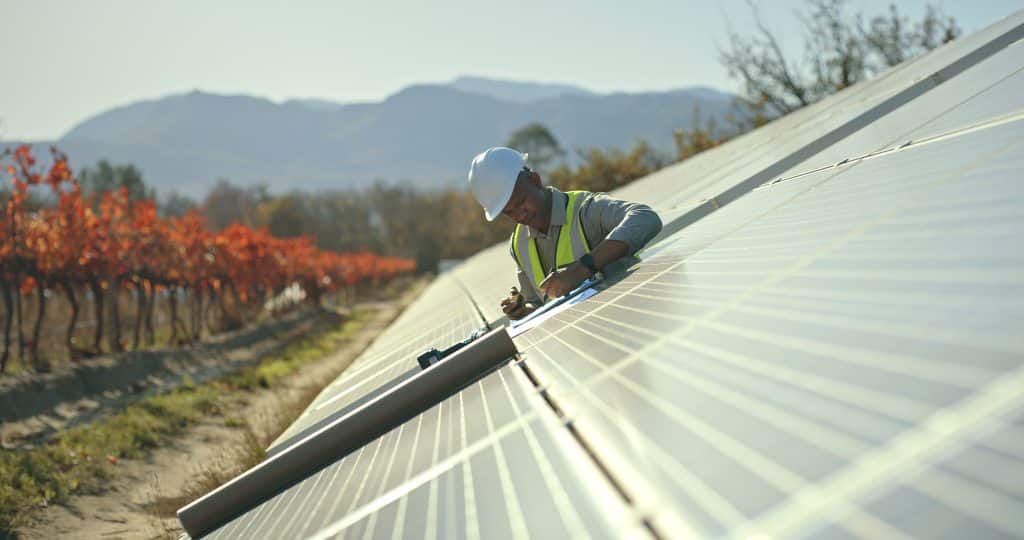
In one room: global cooperation, financing for development, economic growth, humanitarian relief. Down the hall, in the climate rooms: the next COP, climate finance, clean energy, and resilience.
Outside those rooms, life doesn’t happen on separate tracks. People experience these challenges as a single reality, and our solutions have to match.
That integration of climate and development efforts has never been more urgent. Between 2014 and 2023, disasters affected an average of 124 million people a year, a 75% increase over the previous decade. Direct economic losses now average about $202 billion a year, and the costs land hardest where progress is most fragile. A single storm can undo a decade of gains and leave a government borrowing to rebuild rather than investing in schools and clinics.
Meanwhile, the global capacity to respond is diminished. Nearly all bilateral donors have significantly cut development funding, global cooperation is on shaky ground, and civic space is closing — raising fundamental questions about what comes next.
Philanthropy cannot replace the public financing that has been lost. What we can do is make the resources that remain go further with more lasting impact, by supporting solutions that reflect how tightly today’s challenges are bound together, and lay foundations for a better system in the future.
Decades of working alongside partners have taught us what makes progress endure. Four principles have emerged that are guiding me through this moment. I hope others find them useful.
1. Fund at the intersections.
Funders can help dismantle the silos that have long shaped how we tackle global challenges. In recent years, I’ve seen encouraging ways in which those walls are coming down.
Climate resilience is the clearest example. With 57% of the global population exposed to climate-related hazards, any investment meant to improve lives has to account for climate risk, or gains won’t survive the next flood, drought, or fire. Yet only about 2% of official development assistance goes to reducing disaster risk, even though every dollar invested in resilience can avert up to $15 in losses. That gap is where philanthropy can move first.
The Packard Foundation has funded climate mitigation for decades. We’ve broadened that approach so more of our investments address both mitigation and what communities need to adapt and thrive. In practice, that means new green space in California’s Salinas Valley that reduces flood risk, supports wildlife, and gives families access to nature. In coastal Louisiana, it means resilient infrastructure that provides homes, jobs, and essential services while helping communities withstand rising seas and stronger storms.
2. Weave local leadership into the fabric of the work.
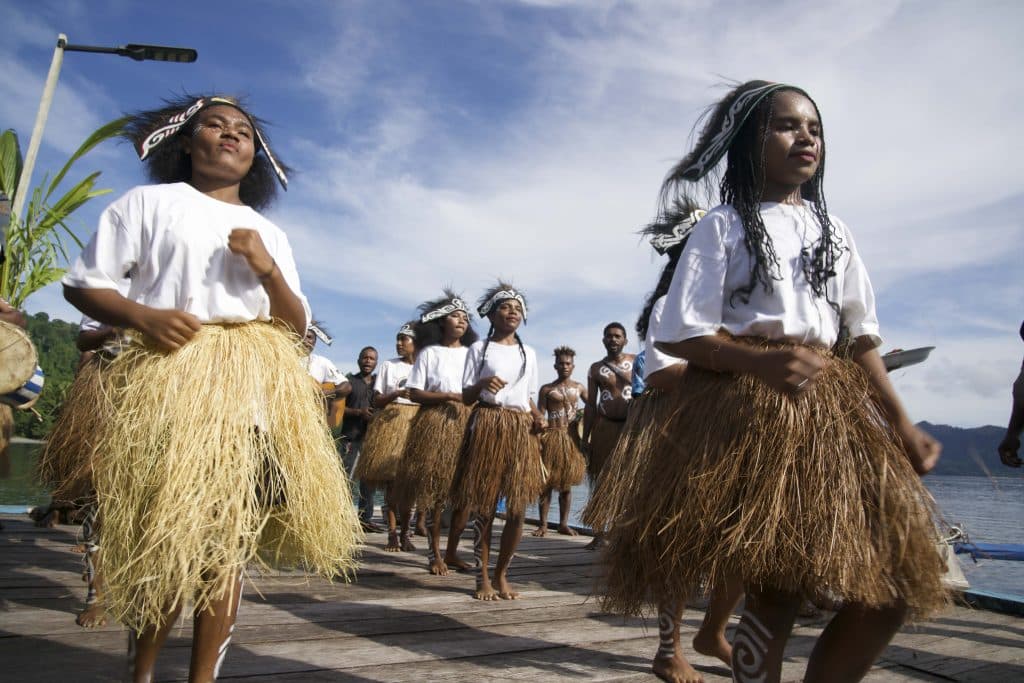
Throughout my career, I’ve seen that lasting progress starts with the people who know their communities best. They are the original integrators: no one managing a farm through a drought separates climate from livelihood from health. Local leaders, including women and youth leaders, bring the knowledge, relationships, and judgment to shape what will work. Regional and global partners can then unlock resources and strengthen the systems local solutions need to succeed.
Recognition of local leadership has grown. Resources have been slower to follow: in recent years, just 11% of cross-border philanthropic funding went directly to local organizations.
Closing that gap requires funders to change not only how we work but where the money goes. The Foundation has committed to locally led development; last year 41.4% of our funding to Global South countries went to locally led organizations.
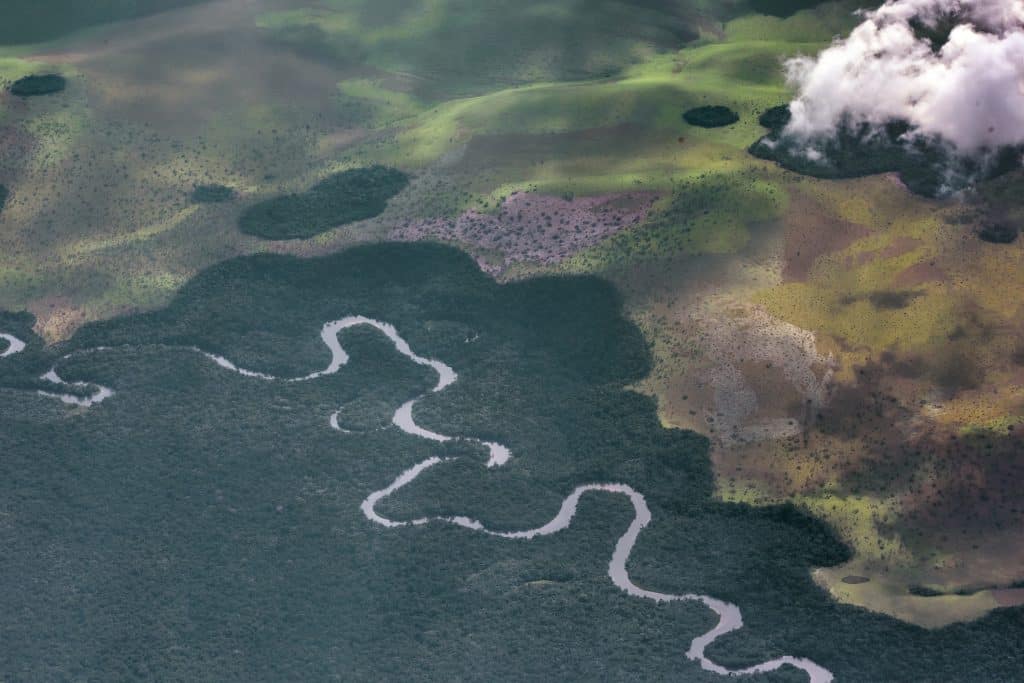
Many of these investments support Indigenous Peoples and local communities advancing work rooted in their own stewardship. We are part of Forests, People, Climate, a global collaborative working to halt and reverse tropical deforestation by changing the policies, markets, and financial systems that drive forest loss while backing the land rights of communities that have cared for these forests for generations.
We carry the same commitment into the Funders’ Roundtable on the Future of Development, backing Global South-led efforts to shape the institutions and policies that come next.
3. Protect the civic space that progress depends on.
My work in fragile states taught me that lasting progress depends on civil society’s ability to organize, speak out, participate in decisions, and hold institutions accountable. Civic space is where issues get connected: the people linking climate to land rights, or health to water, are often the most exposed when that space closes.
Today, 72% of the world’s population lives in countries where civic space is repressed or closed, making it harder for our grantees to achieve their goals. This is a critical moment to invest in the legal frameworks and institutional infrastructure that let people and organizations work safely and freely.
One example: we fund legal aid organizations in Indonesia that defend Indigenous Peoples, local communities, environmental defenders, and civil society groups facing mounting legal and regulatory pressure for their work.
4. Let evidence guide the work.
It is easy to gravitate toward what is familiar. But an uncertain future demands that we question our assumptions and keep learning. Siloed funding produces siloed evidence. If we only measure health outcomes, we will not learn whether the clinic we funded is still standing after the flood.
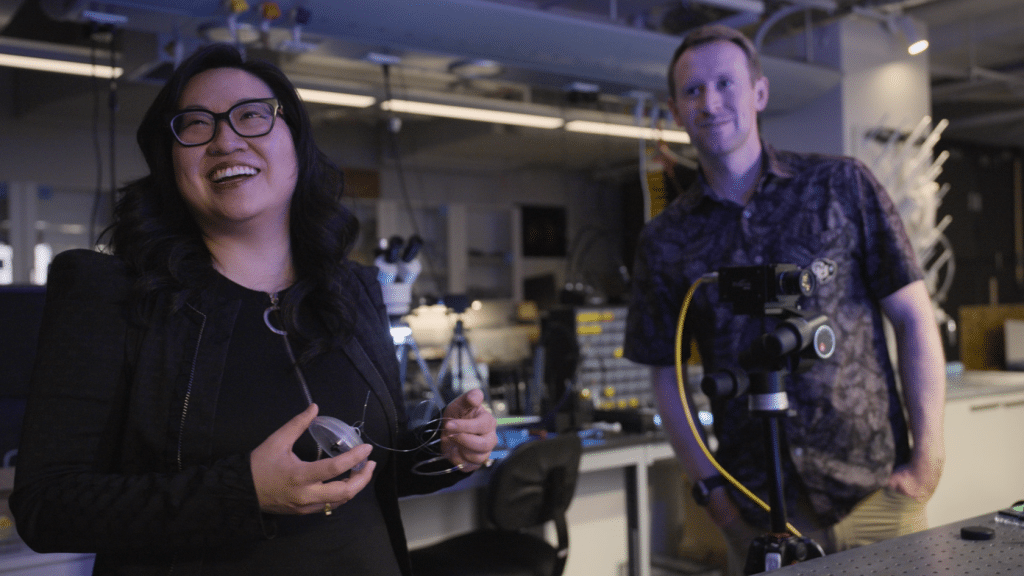
Philanthropy’s real strength is the freedom to take risks and test new approaches. Rigorous science and data matter, and so do community knowledge and local expertise. Measuring what works, learning from what does not, and adapting as we go leads to better decisions. And we need the discipline to hold two things at once: long-term commitment to issues and strategies, and honesty to recognize when something isn’t working.
Putting these principles into practice
As we gather in New York, none of us knows what the next era of global cooperation will look like. But we know more than we used to about what helps progress last. I hope we can put those lessons to work as we fund, partner, and build toward a world where people and nature flourish.